
 I have loved mushrooms since childhood, and I have also been a programmer for a long time. Combining these two hobbies, I wrote this website. Previously, I had two other mushroom identification sites, which I sold. Only one of them remains accessible today. My goal with the current site is to create an easy-to-use search and identification platform that works great both in the field and at home. I hope it brings joy to others.
Bartha László
Species flashcards
Practice area: created for the 303-species Hungarian mushroom inspector requirement. It is not an official examination; requirements in other countries may differ.
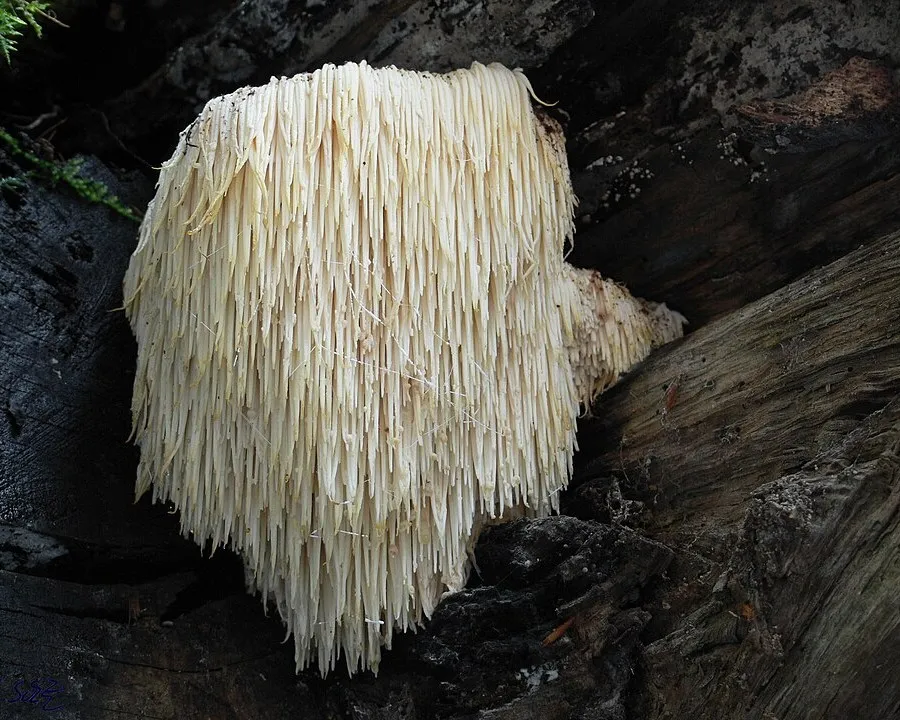
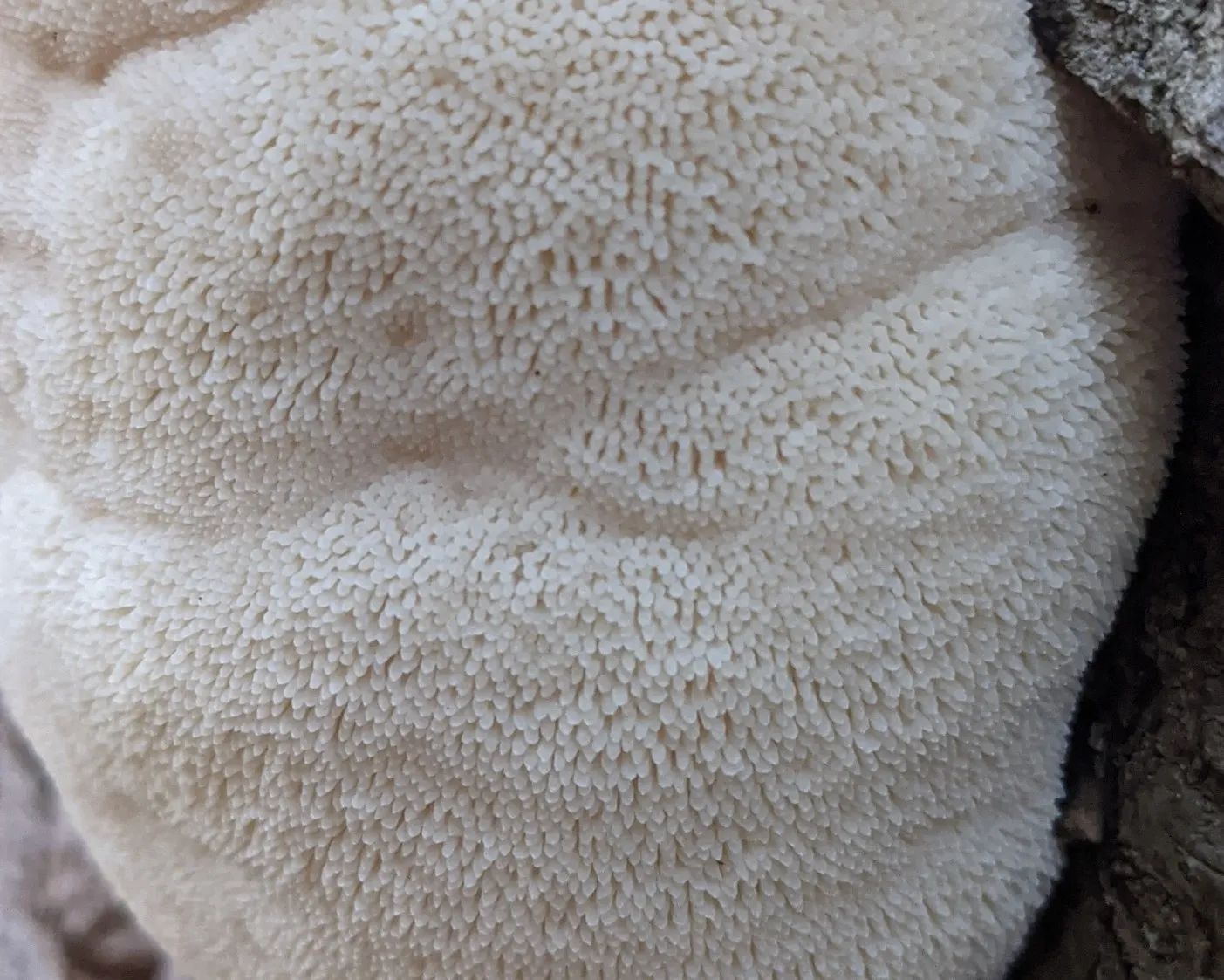
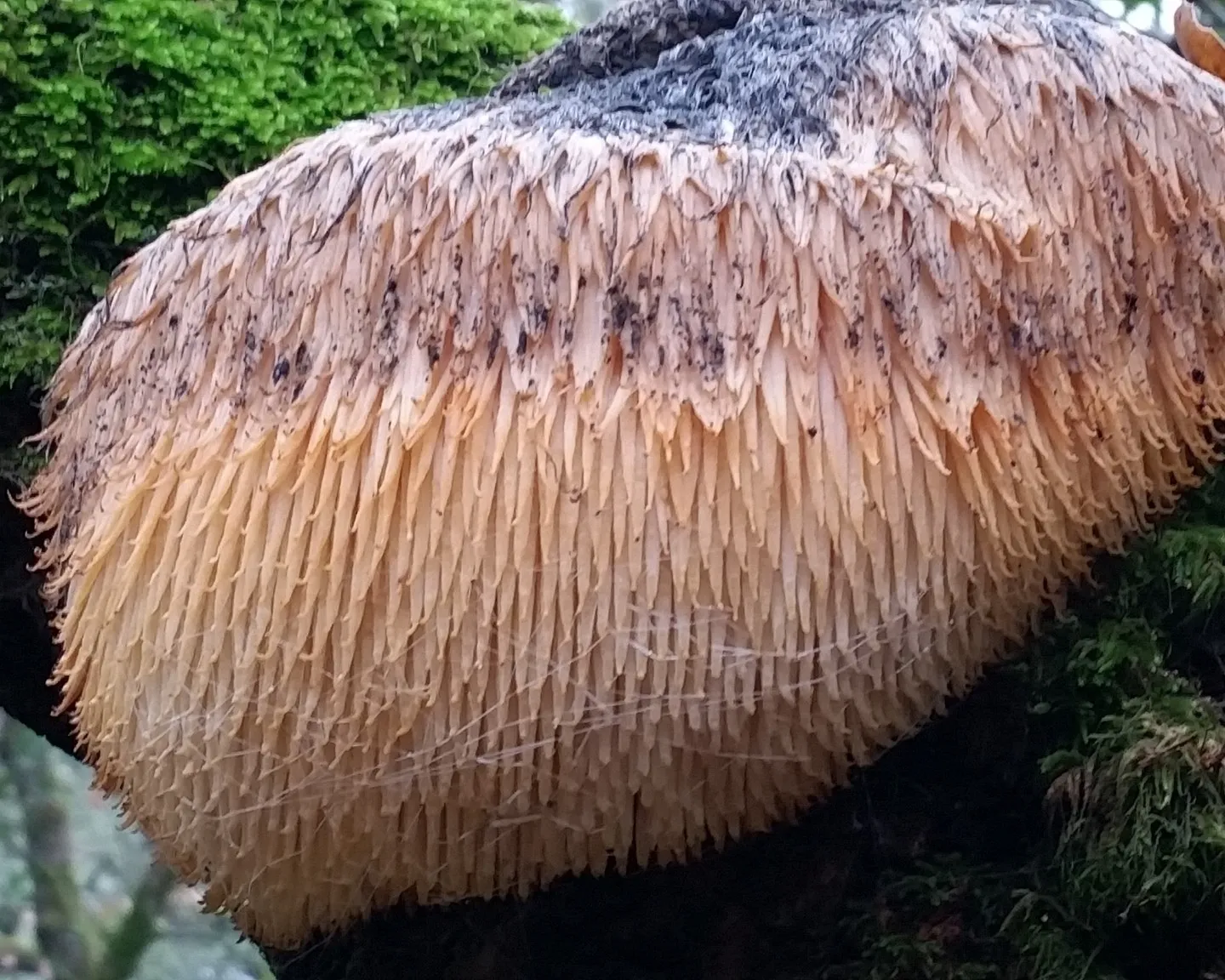
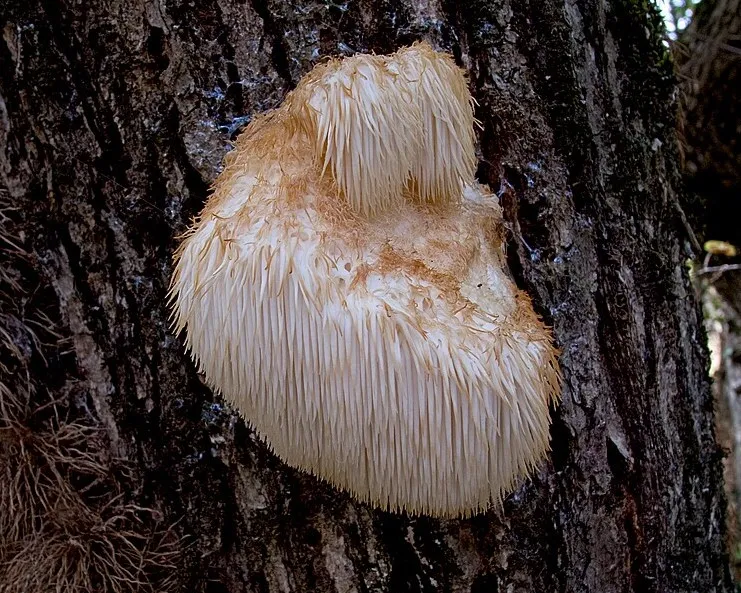
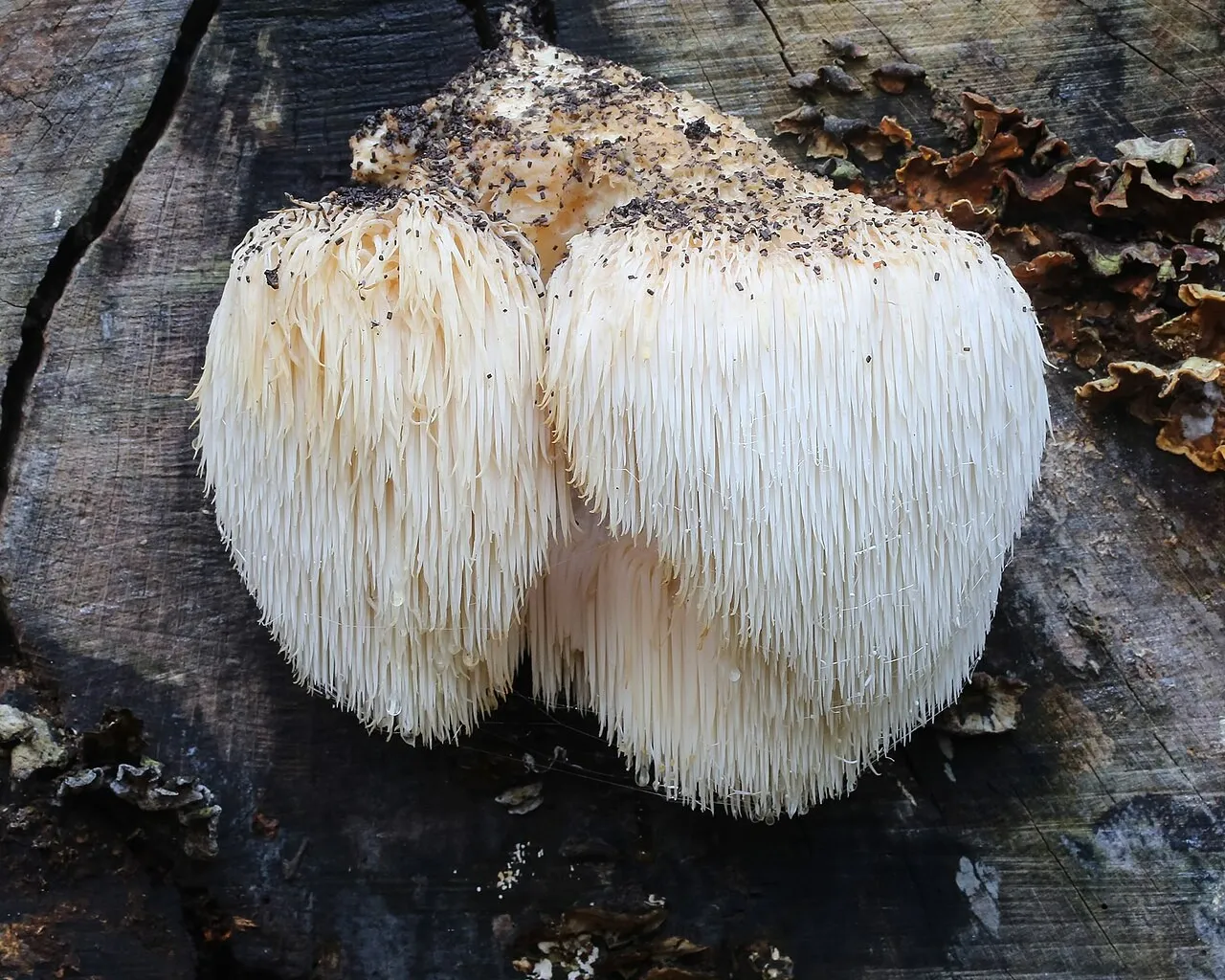
Lion's mane
Hericium erinaceus
edible
Protected · 5 000 Ft
- Habitat: deciduous
- Fruiting season: September – November
- Cap: sphere hairy
- Stem: lateral
- Fertile layer: spiny
Description
Fruitbody: 10–25 cm across, tuber-like, fleshy and usually without a distinct stem, whitish. Its surface is densely covered with hanging, curved, frosted-white teeth 2–5 cm long; these may become yellowish or brownish in age.
Fertile layer: The fertile layer is formed by the dense downward-hanging teeth covering the whole fruitbody. They are white when young, later cream-coloured to yellowish.
Stem: Usually without a distinct stem; the fruitbody attaches laterally by a broad base to cracks, cavities or stumps of the host tree.
Flesh: Whitish, soft and slightly fibrous when young, becoming tougher with age. Smell and taste not distinctive.
Spores: Spore print white; spores 5–7 × 5–6 µm, roundish to broadly elliptical, smooth and amyloid.
Occurrence: A parasitic and saprotrophic species on living or fallen old broadleaf trunks, in cracks and cavities, and on stumps. It fruits from September to November in moist undisturbed beech and oak woodland, chiefly on beech and oak.
Edibility: Edible, but protected in Hungary and therefore may not be collected.
Lookalikes: Can resemble coral tooth fungus and crested tooth fungus. Lion's mane forms a compact, single globular fruitbody with long hanging teeth.
Note: Hericium derives from Latin 'hericius', meaning spiny hedgehog. Members of the genus have dense hanging teeth that resemble hedgehog spines. Erinaceus is another Classical Latin word for hedgehog, making the scientific name a semantic tautology: essentially 'hedgehog hedgehog'.
Species description: Jean Baptiste François Pierre Bulliard first described the species; Christiaan Hendrik Persoon published its current name in 1797.
Taxonomy
- PhylumBasidiomycota
- ClassAgaricomycetes
- OrderRussulales
- FamilyHericiaceae
- GenusHericium
- Species: Hericium erinaceus
- Authority: (Bull.) Pers. (1797)
- English name: Lion's mane
- Ecological status: parasitic saprotrophic
- Edibility: edible
