
 I have loved mushrooms since childhood, and I have also been a programmer for a long time. Combining these two hobbies, I wrote this website. Previously, I had two other mushroom identification sites, which I sold. Only one of them remains accessible today. My goal with the current site is to create an easy-to-use search and identification platform that works great both in the field and at home. I hope it brings joy to others.
Bartha László
Species flashcards
Practice area: created for the 303-species Hungarian mushroom inspector requirement. It is not an official examination; requirements in other countries may differ.
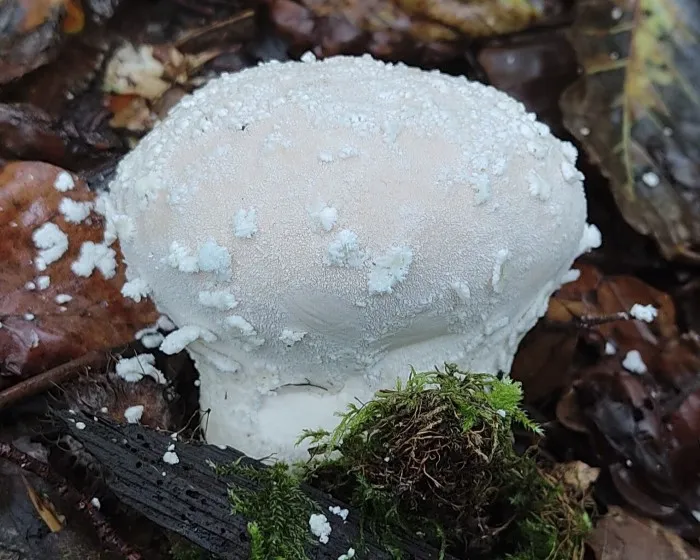
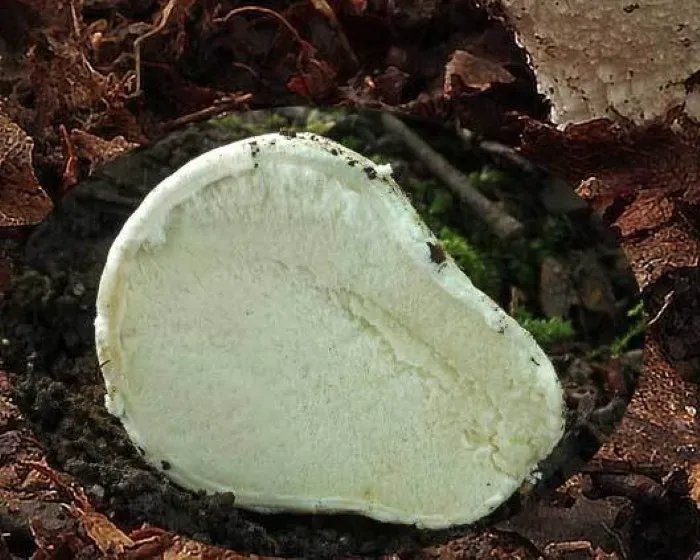
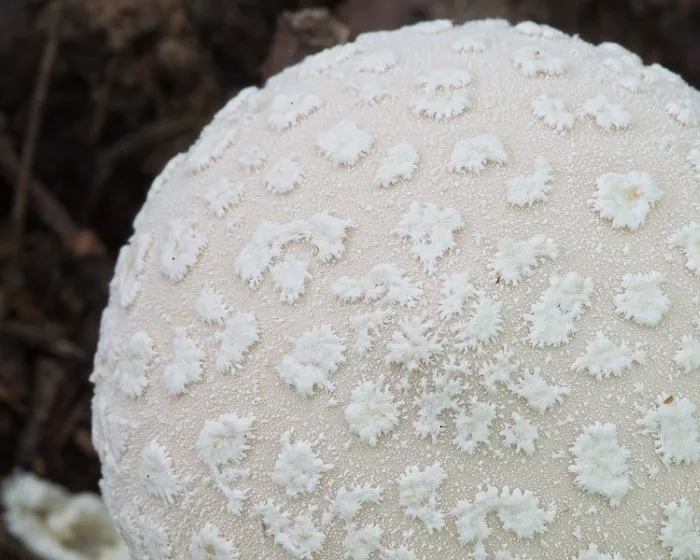
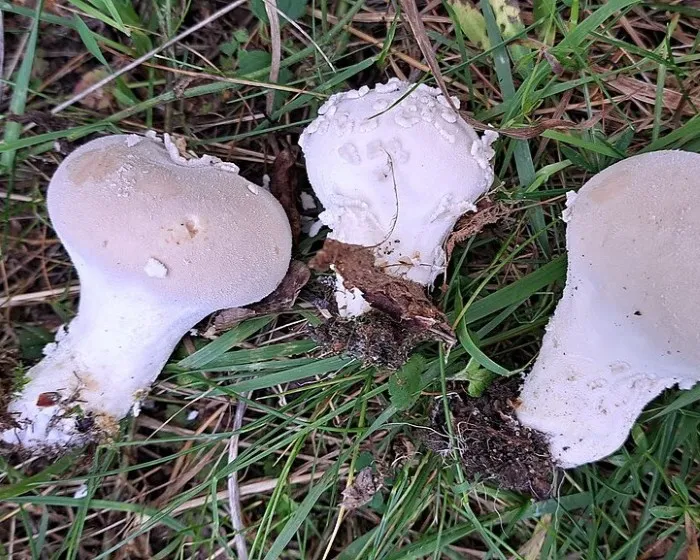
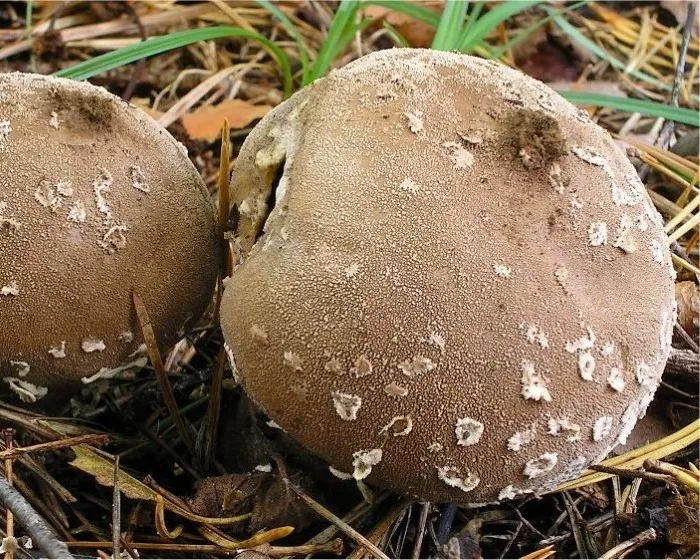
Flaky puffball
Lycoperdon mammiforme
conditionally edible
Protected · 5 000 Ft
- Habitat: deciduous
- Fruiting season: July – October
- Cap: spherical downy
- Stem: cylindrical
- Fertile layer: smooth
Description
Fruitbody: 3–5 cm across, spherical to slightly pear-shaped, with a short sterile stem-like base. Whitish when young and covered with large, flaky outer veil fragments that split into plates and later peel away. It becomes ochre and finally chocolate-brown with age.
Fertile layer: The fertile layer is contained inside the fruitbody in the gleba. At maturity an opening forms at the apex and releases the spores as a powdery cloud.
Stem: Short and cylindrical; the sterile base remains whitish for a long time.
Flesh: The gleba is firm and pure white when young, then yellowish-olive, finally brown and powdery. Only young specimens that are completely white inside are edible.
Spores: Spore print brown; spores 3–4 µm in diameter, spherical and spiny.
Occurrence: A rare species of deciduous woodland, especially on calcareous soil, fruiting from July to October.
Edibility: Conditionally edible only while the gleba is completely white; it is a protected species and must not be collected.
Lookalikes: Similar to other puffballs, but the large flaky, plate-like outer veil remnants on a whitish background are distinctive.
Note: Lycoperdon means wolf fart, from the Greek 'lýkos' for wolf and 'pérdomai' or 'pordḗ' for passing wind; it refers to the cloud of spores released from a dry fruitbody when pressed. Mammiforme derives from Latin 'mamma' for breast or nipple and 'forma' for shape, referring to the rounded, often slightly nipple-like fruitbody.
Species description: Christiaan Hendrik Persoon described the species as Lycoperdon mammiforme in 1801.
Taxonomy
- PhylumBasidiomycota
- ClassAgaricomycetes
- OrderAgaricales
- FamilyAgaricaceae
- GenusLycoperdon
- Species: Lycoperdon mammiforme
- Authority: Pers. (1801)
- English name: Flaky puffball
- Ecological status: saprotrophic
- Edibility: conditionally edible
